
The People of Primary Care
Meet Dr. Mustafa Warsi: Disaster psychiatry and the power of people
Welcome to our new series, The People of Primary Care: the human stories behind the healthcare you receive at your doctor’s office or healthcare hub.
For Dr. Mustafa Warsi, the heart of psychiatry has always been rooted in connection and hope.
“I look beyond the news and see the human aspect of how people come together to help each other,” he says. “That’s what got me interested in disaster psychiatry.”
For 10 years, as a psychiatrist at the Hamilton Family Health Team’s Stoney Creek Hub and Southwest Family Health Centre, Dr. Warsi shares his experience practicing psychological first aid principles and how you can learn them too.
A train ride that changed his career
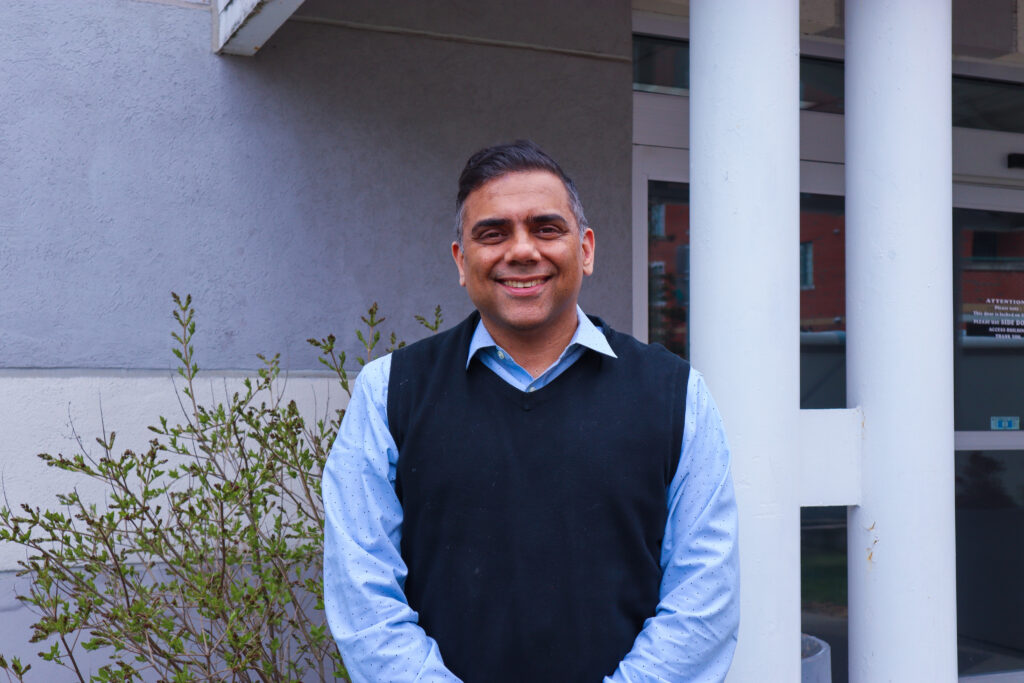
After completing a psychiatry residency in Nebraska, and a fellowship in Michigan, Dr. Warsi knew his trajectory would lead him back to Canada. For 10 years, he worked in Windsor, Ontario before officially joining the HFHT’s Stoney Creek hub and Southwest Family Health Centre.
During that transition period of leaving Windsor to practice at the HFHT, he found himself taking a four and half hour train ride, back and forth, once a week from Windsor to Hamilton, feeling drawn to the shared care, multidisciplinary model in primary care. “I proudly had the longest commute of anyone in the team,” he smiles.
He explains that he’d love to see even more specialties, like substance abuse support, in the wraparound model. “The future is primary care,” he says.
The impact of understanding
Taking a pause from looking into the future, Dr. Warsi takes us back to what sparked his interest in psychiatry. 25 years ago, when completing an elective in a state hospital in Washington, D.C., Dr. Warsi recalled a case of a patient who was described as delusional and quite psychotic in his behaviour.
He felt compelled to learn more about this patient. He shares the importance of “not just focusing on what the symptoms are but understanding his story, where his life was and what it had become.” Dr. Warsi learned that the patient was a prominent lawyer many years ago and took the time to understand how mental health changed him. “In those days, it wasn’t as easy as doing a quick Google search,” he chuckles.
It was this understanding that led to a love of psychiatry. “To see the magnitude of that illness and how treatment could help, with medication therapy and a safe setting, helped me to understand how psychiatry interventions can make a change.”
Help and hope go both ways
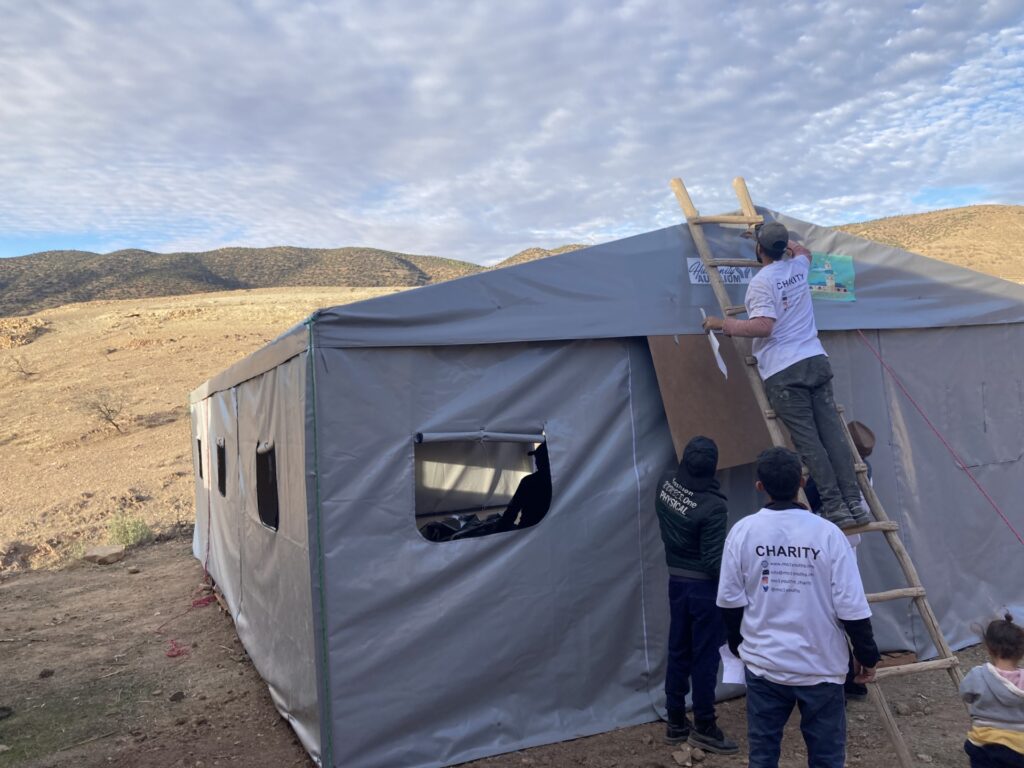
In 2023, after learning about the devasting earthquakes in Turkey and Morocco, Dr. Warsi wanted to support. He began by collecting donations and then soon found himself connected with an international health organization. Next thing he knew, he was on a plane to Turkey.
At that time, he had some training in disaster psychiatry but didn’t know what to expect. What he experienced was lifechanging.
In Turkey, he shared how communities came together, noting the humanity and strength that shone through in those who had experienced such a traumatic event. He was there to help them—but what they told him was that he was their guest and they wanted to make him feel more comfortable in their home.
After returning to Canada, he continued learning more about Psychological First Aid principles and a few months later, was off to Morocco. He witnessed long stretches of vehicles coming from far places to drop off blankets and supplies. He recalled a conversation with a woman who was directly impacted by the disaster: she told him she wished it didn’t happen to her, not because of the tragedy of the event, but because she wanted to help those around her.
These experiences left a lasting impression. “As much as I helped them, there was a big part of me that got helped.”
Practicing Psychological First Aid in community
He reminds us how we are all vulnerable to change in our lives, even outside of disaster situations. “Psychological First Aid principles can help on a day-to-day basis, not only with natural disasters. We can provide these principles in a community setting.”
It’s important to “provide empathy and not just sympathy,” he explains. It’s about connecting with people, listening, creating safety, helping people feel calm, directing people to what their care needs are, and enhancing social connectedness.
Out of office and on the field
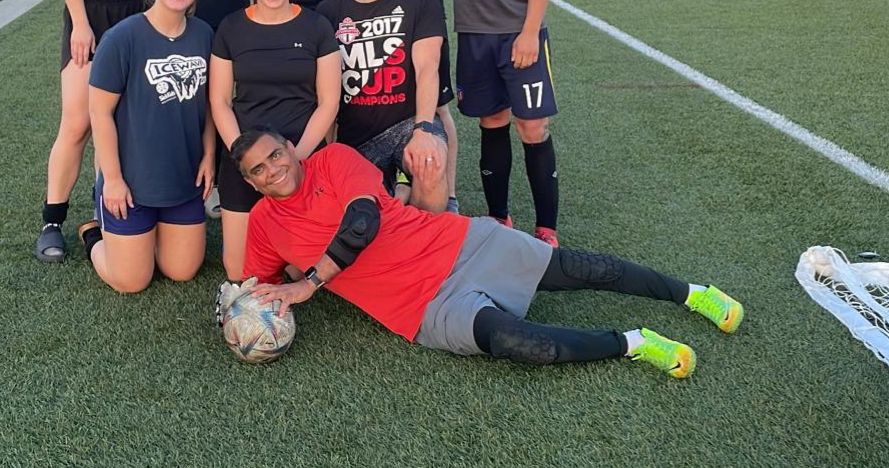
One thing Dr. Warsi takes seriously is the love of playing soccer as a goalie. “Those close to me know my soccer dates and times by the injuries I come back with,” he says. He laughs as he adds that being a goalie “is the smartest position because I actively enjoy it but don’t have to run as much. I see everybody else tired and I’m still okay.”
While Dr. Warsi enjoys hiking, mountain biking, and being outdoors, you can usually find him with his kids and a camera tailgating at a Raptors game, especially now during playoffs.
Whether he is with a patient or on the field, Dr. Warsi reminds us of the importance of coming together as a community.