
The People of Primary Care
Interconnections and Community in Social Work
Welcome to our new series, The People of Primary Care: the human stories behind the healthcare you receive at your doctor’s office or healthcare hub.
Please introduce yourself.
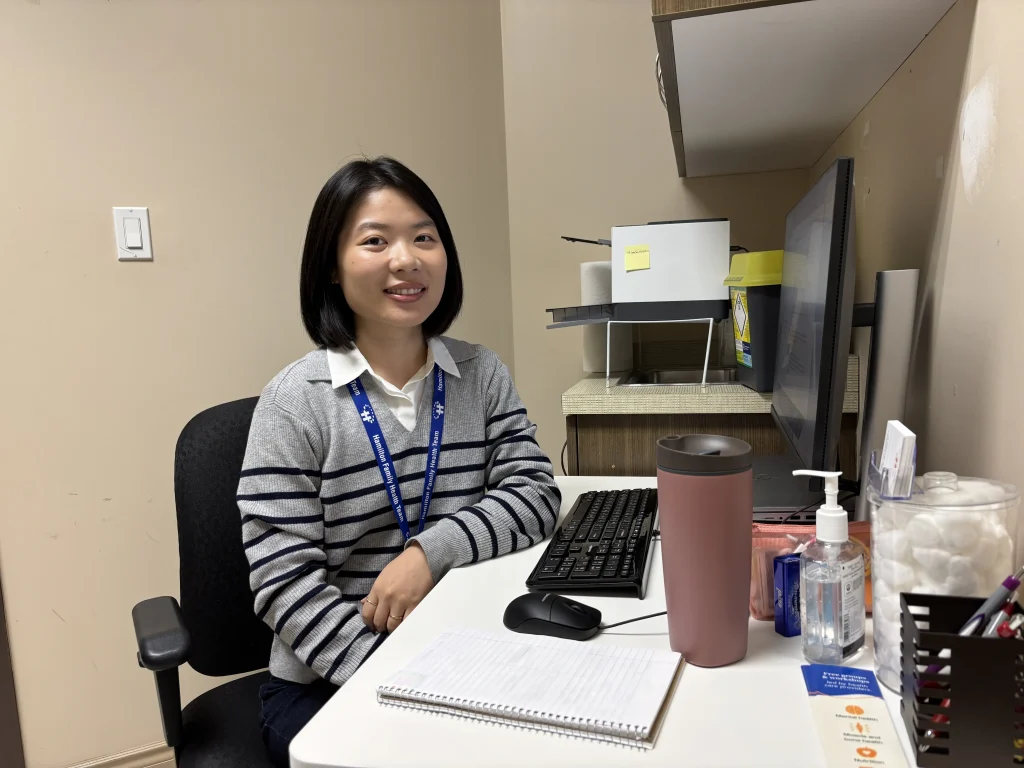
My name is Mona Huang and I’m a registered social worker.
What is a social worker?
I’m your person for support with social and mental health needs. I can help you navigate day-to-day and emotional challenges through counselling, and I can also connect you with community resources or services that are appropriate for your situation.
Patients’ expectations of my role often depend on their prior experience with social workers. Those with little or no experience are often surprised that I can help with practical problem-solving, such as navigating social assistance programs or connecting them with specific treatment and community resources they did not know existed. For patients with limited experience with mental health interventions, it can be unexpected that part of my role also includes mental health counselling.
What brought you to this profession?
I was drawn to social work because of its commitment to advancing social justice and equity. Social work recognizes the interconnections between individual challenges and broader systemic inequities, and works across structural, community, and individual levels to create meaningful social change.
Grounded in this perspective, my work in primary care focuses on supporting patients at the individual level by helping them navigate social systems, access resources, and build skills, while being mindful of the systemic factors that shape their health and overall well-being.
How does working with other Interprofessional Health Care Providers (IHPs) support the work you do?
As a social worker in primary care, working within a team-based model allows me to collaborate with other interprofessional health professionals (IHPs) to promote the continuity and comprehensiveness of patient care. In this model, I can bring attention to social determinants of health, such as housing, income, employment, and other structural inequities, that shape people’s health outcomes and engagement in treatment.
By bringing these pieces together with patients’ medical needs, the team can develop care plans that are holistic and patient-centered. The team engages in regular case discussions and warm handoffs to support shared understanding and consistent follow-up and ensure that patients do not fall through the gaps in the system. When I’m aware of medical updates and my colleagues are informed about psychosocial barriers, we can adjust interventions proactively and follow up more effectively.
What brings you joy in your role?
What brings me joy in this role is knowing that patients do not have to feel alone when navigating health concerns and other life stressors. Being able to walk alongside them and witness the positive changes they make is such a privilege and incredibly meaningful to me.

Where can we find you if you are not in the office?
I enjoy rock climbing when I’m not at work.
How can we learn more about what social workers offer?
HFHT social workers offer a variety of groups and workshops open to everyone, such as the Stress Management Workshop Series, a series of workshops to learn strategies to reduce stress and improve general wellness. Topics include lifestyle factors such as nutrition, physical activity, sleep, mindfulness and self-compassion can reduce stress as well as dealing with news-related stress.